Why People Choose Colon Hydrotherapy as Part of Their Wellness Routine
A person does not have to be in crisis to start paying attention to digestion.
Sometimes it begins quietly. A little heaviness after meals. A stretched, bloated feeling by the end of the day. A sense that the body feels slower than usual. Nothing dramatic. Just enough discomfort to make someone pause and think, Maybe my wellness routine needs a little more support.
That is often where colon hydrotherapy enters the conversation.
For many adults, the interest is not about chasing a quick fix. It is about comfort, balance, relaxation, and feeling more connected to the body. Some people find that a gentle colon cleansing session can help create a sense of ease, especially when paired with simple habits like drinking enough water, eating lighter meals, moving regularly, and managing stress.
Still, it is important to approach the topic with care. Colon hydrotherapy is not a medical treatment, and it is not meant to diagnose, treat, cure, or prevent any condition. Results vary from person to person. The most helpful way to understand it is as a wellness service that some people choose as part of a broader digestive wellness routine.
Key Takeaways
- Colon hydrotherapy uses warm, filtered water to support natural elimination.
- Some people choose it for digestive comfort, occasional bloating, or a sense of lightness.
- It should be approached with realistic expectations, not miracle claims.
- A trained practitioner, proper hygiene, and health screening are essential.
What Is Colon Hydrotherapy?
Colon hydrotherapy is a gentle wellness service that uses warm, filtered water to rinse the lower colon in a controlled setting. It is sometimes called colonic hydrotherapy, colonic irrigation, colon irrigation, or a professional colon cleansing session.
The purpose is to support the body’s natural elimination process. It may help create a feeling of comfort or relaxation for some people, especially those who feel sluggish, heavy, or irregular. However, it should not be viewed as a cure, medical procedure, or replacement for professional healthcare.
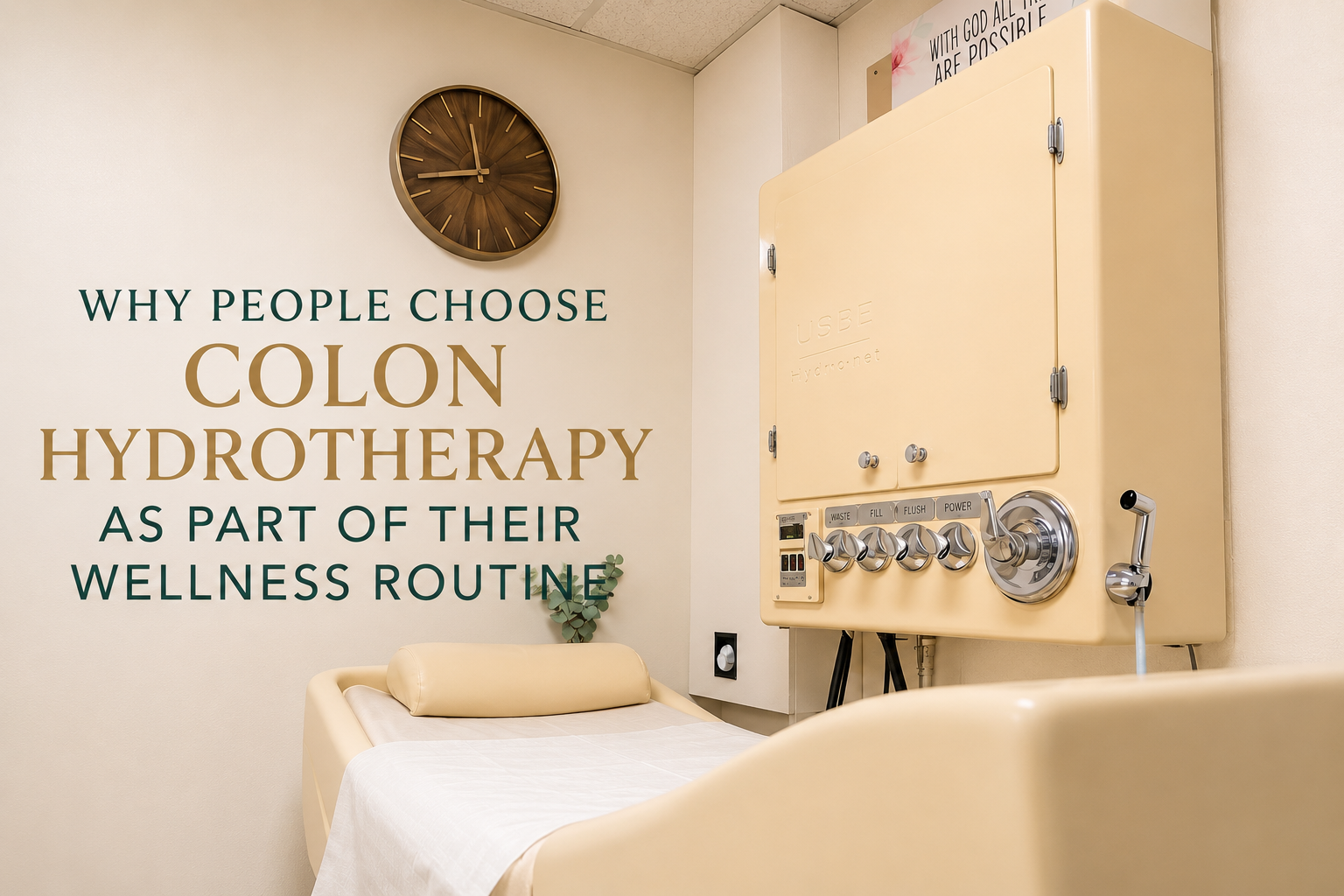
During a session, the person is usually guided by a trained practitioner in a private room. The process is designed to be calm, hygienic, and respectful. For beginners, that matters. Many people feel nervous before their first session simply because they do not know what to expect.
A good practitioner helps reduce that uncertainty by explaining the process clearly, answering questions, and keeping the experience as comfortable as possible.
Why Do People Consider It Part of a Wellness Routine?
People are becoming more body-aware. They notice how stress affects digestion. They notice how travel, low water intake, heavy meals, or long workdays can leave them feeling uncomfortable. They also notice how much better life feels when the body feels settled.
Colon hydrotherapy may appeal to people who are already trying to care for themselves in a more intentional way.
Some may be eating more fiber. Some may be walking after meals. Some may be drinking more water or reducing processed foods. Some may simply want a quiet wellness service that helps them feel more connected to their body.
The motivation is often gentle and practical:
- “I want to feel less weighed down.”
- “I want to support regularity.”
- “I want to feel more comfortable in my body.”
- “I want to add something calming to my wellness routine.”
- “I want professional support instead of trying things at home.”
These are reasonable goals when they are held with realistic expectations.
How Does Colon Hydrotherapy Work?
Colon hydrotherapy works by introducing warm, filtered water into the colon through professional equipment. The water enters gently and then leaves the body through the system, carrying released waste with it.
The process is usually quiet and paced. Some people describe mild pressure or fullness, while others feel relaxed once they understand how the session works. A trained practitioner may stay nearby for support, depending on the system used and the client’s comfort level.
A typical session may include:
- A short intake or health review.
- A clear explanation of the equipment and process.
- Private preparation in a clean treatment room.
- Gentle water flow during the session.
- Simple aftercare guidance, often focused on hydration and rest.
The goal is not to force the body. The goal is to create a calm environment where the body can respond naturally.
What Can People Expect to Feel?
Every person’s experience is different. Some people report feeling lighter, calmer, or more at ease after a session. Others may simply feel relaxed because they took time to care for themselves. Some may notice no major change, and that is also possible.
It is helpful to think of colon hydrotherapy the way one might think of other wellness services. A massage may help someone feel relaxed, but it does not solve every source of stress. A yoga class may support flexibility and calm, but one class does not change an entire lifestyle. In the same way, colon hydrotherapy may support a sense of digestive comfort, but it works best when paired with everyday wellness habits.
Hydration, balanced meals, movement, sleep, and stress care all matter.
A Simple Wellness Framework: The 4-C Check
Before choosing a colon cleansing session, a person can use a simple 4-C framework. It keeps the decision calm, practical, and informed.
The 4-C Check | What It Means | Helpful Question to Ask |
Comfort | The setting should feel private, respectful, and calm | “Will I understand each step before the session begins?” |
Cleanliness | Hygiene practices should be clear and consistent | “Are supplies sterile or single-use where appropriate?” |
Credentials | The practitioner should have proper training | “What experience or certification does the practitioner have?” |
Caution | Health history should be reviewed first | “Are there reasons this may not be right for me?” |
This simple check helps people choose with confidence rather than pressure.
What Most People Should Understand First
The most important thing to know is that colon hydrotherapy is not a medical treatment.
It should not be presented as a way to cure health conditions, treat disease, or promise guaranteed results. Some people may include it in a wellness routine because they enjoy the sense of ease, privacy, and support it provides. Others may decide it is not the right fit for them.
Both choices are valid.
People with existing health concerns, pregnancy, recent surgery, severe hemorrhoids, unexplained pain, bleeding, heart conditions, kidney concerns, or significant digestive issues should speak with a qualified healthcare professional before booking.
A careful clinic will not rush this step. Responsible wellness care begins with knowing when a service may not be appropriate.
A Familiar Real-Life Scenario
Imagine someone who has had a long week.
Meals were rushed. Water intake was low. Stress was high. Sleep was uneven. By the weekend, the body feels heavy, the belly feels tight, and even comfortable clothes feel a little less comfortable.
A thoughtful wellness approach would not be, “Do one thing and everything will change.”
A more supportive approach may look like this:
- Drink water steadily through the day.
- Choose simple, lighter meals for a short period.
- Take gentle walks after eating.
- Slow down during meals.
- Consider whether a professional colon cleansing session feels appropriate.
- Ask questions before booking.
- Listen to the body afterward.
In this kind of routine, colon hydrotherapy becomes one supportive option, not the whole plan.
Where It Fits in Digestive Wellness
Digestive wellness is rarely about one habit. It is usually a pattern.
The body often responds to small, repeated choices. A little more water. A little more fiber. A little less rushing. A short walk. A calmer evening. A more consistent sleep schedule.
Colon hydrotherapy may support this kind of routine for some people by helping them feel more aware of their digestive rhythm. It may also encourage people to pay closer attention to hydration, food choices, and how their body responds to stress.
A balanced digestive wellness routine may include:
- Drinking enough water
- Eating fiber-rich foods
- Moving regularly
- Eating slowly
- Managing stress
- Getting enough sleep
- Seeking medical guidance when symptoms are ongoing
- Choosing trained wellness practitioners
This is a gentler and more realistic way to approach wellness. It respects the body rather than trying to control it.
Do This, Not That
Do this: Choose a provider who explains the process clearly, answers questions kindly, and discusses whether the service is appropriate.
Not that: Book a session based on dramatic claims or pressure.
Do this: Think of colon hydrotherapy as one part of a broader wellness routine.
Not that: Expect one session to replace daily habits.
Do this: Pay attention to how the body feels before, during, and after.
Not that: Ignore discomfort, medical concerns, or warning signs.
Do this: Use soft, realistic expectations.
Not that: Look for guaranteed outcomes.
How to Choose a Trustworthy Wellness Provider
A calm, professional experience begins before the appointment.
A trustworthy provider should make it easy to ask questions. The space should feel clean and private. The practitioner should explain what will happen and what the client can expect. Safety, comfort, and informed choice should come before promotion.
Helpful questions include:
- What training does the practitioner have?
- What type of system is used?
- How is the equipment cleaned?
- Are disposable supplies used?
- What health conditions should be discussed first?
- What should a person do before and after the session?
- What can realistically be expected?
If the answers are clear, calm, and pressure-free, that is a good sign.
What About Relaxation and Emotional Comfort?
This part is often overlooked.
For many people, digestive discomfort is not just physical. It can affect mood, clothing choices, confidence, and the ability to feel relaxed in social situations. Feeling bloated or irregular can make someone feel disconnected from their body.
A gentle wellness setting can help create a pause.
There is privacy. There is quiet. There is a sense of being cared for. There is time to ask questions without embarrassment. For some people, that emotional comfort is part of the appeal.
Wellness is not only about what happens in the body. It is also about how safe, respected, and supported a person feels while caring for the body.
Realistic Expectations Matter
Colon hydrotherapy may support a sense of digestive comfort for some people, but results vary. Some may feel lighter. Some may feel relaxed. Some may feel curious to continue. Others may decide once is enough.
No one should feel promised a certain outcome.
A realistic approach sounds like this:
- It may support comfort.
- It may help create a sense of ease.
- It may fit into a wellness routine.
- It is not a cure.
- It is not a medical treatment.
- It may not be right for everyone.
- Professional guidance matters.
This kind of language is not less confident. It is more trustworthy.
Final Thoughts: A Gentle Choice, Not a Quick Fix
People choose colon hydrotherapy for many reasons. Some are looking for digestive comfort. Some want a calm wellness service. Some are curious about professional colon cleansing. Some simply want to feel more connected to their body again.
The best way to approach it is with calm curiosity.
A body-aware wellness routine does not need to be extreme. It can be simple, gentle, and steady.
For those exploring this service locally, questions can be directed to colonicwithshabi@gmail.com or (661) 699-6941. A thoughtful first step is to ask, listen, and choose what feels safe, informed, and supportive.
FAQs
What is colon hydrotherapy?
Colon hydrotherapy is a wellness service that uses warm, filtered water to gently rinse the lower colon and support natural elimination.
How does colon hydrotherapy work?
Water is introduced slowly through professional equipment, then released through the colon in a private and controlled setting.
Is colon hydrotherapy a medical treatment?
No. It is a wellness service and is not intended to diagnose, treat, cure, or prevent disease.
What are the possible wellness benefits?
Some people find it may support a sense of lightness, relaxation, digestive comfort, or better body awareness. Results vary.
Can it help with occasional constipation?
Some people choose it for occasional irregularity, but ongoing constipation should be discussed with a qualified healthcare professional.
Is it safe for everyone?
No. It may not be suitable for people with certain medical conditions, pregnancy, recent surgery, or significant digestive concerns.
What happens during a session?
A practitioner explains the process, the client prepares privately, warm water flows gently through the system, and aftercare guidance is provided.
How long does a session usually take?
Many sessions last around 45 minutes, though timing can vary by provider and individual comfort.
How often should someone schedule a session?
There is no universal schedule. Frequency should depend on personal goals, comfort level, practitioner guidance, and medical advice when needed.
How can someone ask questions before booking?
They can contact the wellness center at colonicwithshabi@gmail.com or (661) 699-6941 to ask about the process, comfort, and suitability.
Colon hydrotherapy is a holistic wellness service and is not a medical treatment. It is not intended to diagnose, treat, cure, or prevent any medical condition. Individual results vary. Always consult a qualified physician before beginning a new wellness regimen.
Book a session in Bakersfield
Colonics from $95 with an I-ACT certified therapist. Mon–Sat 7:30 AM–5 PM. Call or text (661) 699-6941.
Book a Session